October 6, 2020

Insights for Your Hearing Health

Get trusted tips, insights, and hearing health updates from your hearing care team.

Whether you’re exploring solutions for the first time or a long-time hearing aid user, our experts at Van Doorne Hearing Care are here to offer advice and resources to support your journey.

Heading Out on a Trip? How to Fly Comfortably With Hearing Aids

If you wear hearing aids, a flight raises practical questions: Do they need to come out at security? Can they stay on during takeoff? What should you pack? In most cases, you can wear hearing aids from check-in to landing, and a little preparation makes air travel smoother. At Van Doorne Hearing Care on Garden


Smiling provider in blue scrubs fitting a hearing aid on a smiling older woman at Van Doorne Hearing Care in Holland, MI

Are Hearing Aids Safe for Your Ears? Hearing Loss Myths Explained

It’s common to hear mixed messages about hearing aids. One friend may say they will stop your hearing loss from getting worse, while another warns they will damage the hearing you still have. Neither is quite right. At Van Doorne Hearing Care on Garden Avenue in Holland, audiologist Macenzie Koning, Au.D., F-AAA, and board-certified hearing

Genetic Hearing Loss and Your Family Tree: What to Know

Hearing loss can run in families, though you may not be as susceptible as your parents or siblings. At Van Doorne Hearing Care, a family-owned practice on Garden Avenue in Holland, audiologist Macenzie Koning, Au.D., F-AAA, and board-certified hearing instrument specialist Craig P. Van Doorne, BC-HIS, look at your hearing in the context of your

Hearing Aid Care That Fits Your Day: Wipe Daily, Check Weekly

Wax, skin oils, and everyday moisture build up on hearing aids faster than most people expect, and a little residue in the wrong spot can leave a device sounding weak. A consistent hearing aid cleaning routine helps keep your devices working well and prevents the frustration of wax and moisture interfering with sound. Craig P.

One Hearing Aid Sounding Different Lately? Here’s What It Could Mean

Your hearing aids are meant to work as a pair, so it’s unsettling when one starts to sound weaker, tinnier, or less clear than its partner. Hearing aids are designed to amplify sound in a way that feels natural, and a difference like this should be examined. At Van Doorne Hearing Care in Holland, MI,

How Long Should Hearing Aid Batteries Keep Going? West Michigan Tips

Few things interrupt a good conversation faster than a low-battery chime. Hearing aid batteries usually last anywhere from three days to several weeks, depending mainly on usage and battery type, so knowing what to expect from your own devices helps you plan ahead. At Van Doorne Hearing Care, a family-owned practice on Garden Avenue in

Why Won’t My Clogged Ear Pop? Causes Beyond Earwax and Relief Tips

A clogged ear can make family conversations sound muffled and distant, and it’s puzzling when there’s no earwax to explain it. At Van Doorne Hearing Care, a family-owned practice on Garden Avenue in Holland, MI, board-certified hearing instrument specialist Craig P. Van Doorne, BC-HIS, and audiologist Macenzie Koning, Au.D., F-AAA, help patients understand what may

Older man with gray hair and beard wearing a blue shirt, holding his hand to his ear in a listening gesture, looking at the camera with a slight smile. Plain light background.

When Sudden Hearing Loss Strikes One Ear: Is It an Emergency?

An abrupt decrease in unilateral hearing acuity can feel alarming, often leaving individuals uncertain about what action to take. Our clinical specialists offer urgent hearing evaluations and facilitate rapid medical care when sudden unilateral hearing loss arises. An acute sudden hearing loss consistently necessitates immediate examination by a hearing professional to begin medical therapy or

A woman with long blonde hair touches her ear with her finger, appearing thoughtful. She is wearing a gray sweater and is indoors in a softly lit room with blurred shelves in the background.

Understanding Hearing Aid Whistling and How to Stop Acoustic Feedback

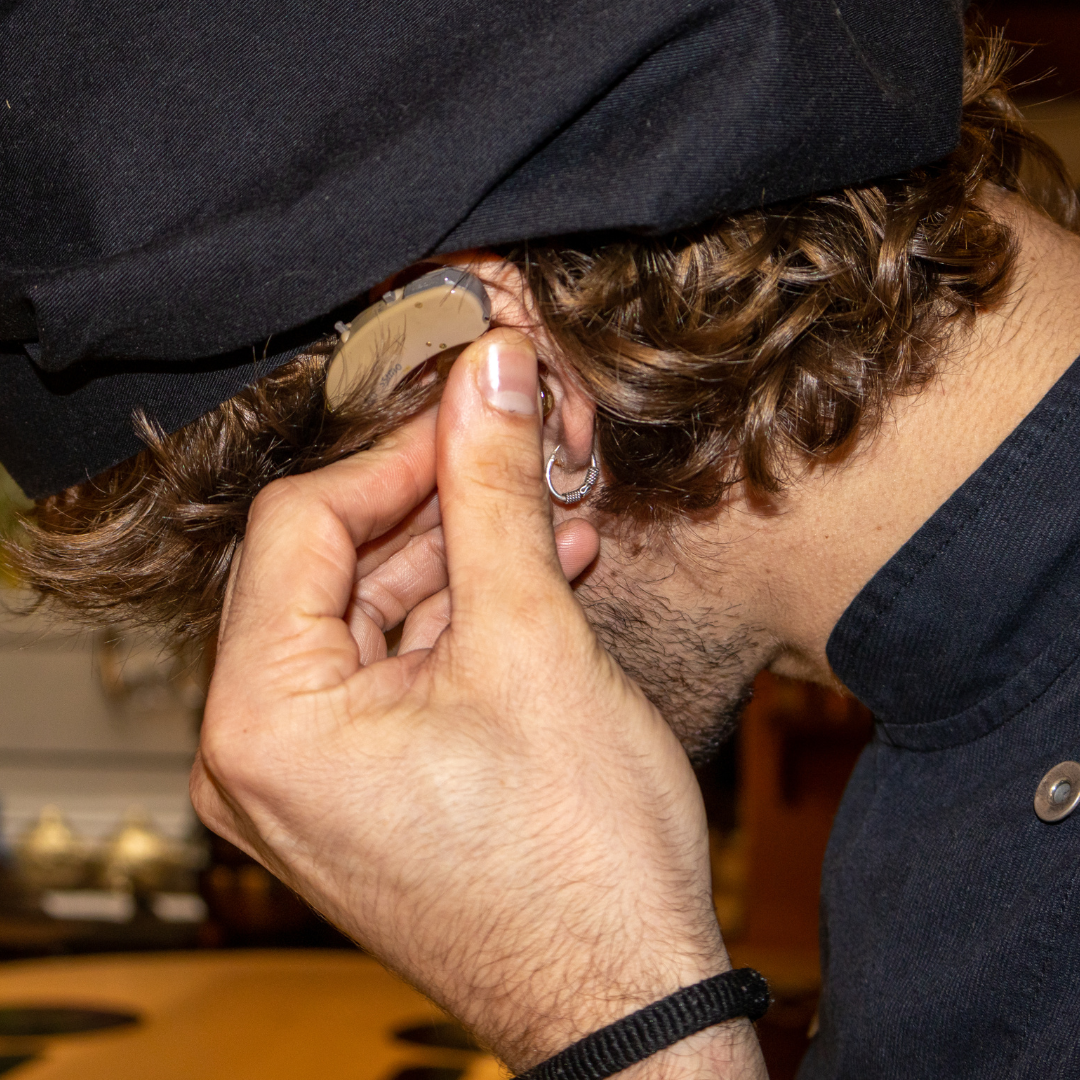
Sharp whistling sounds produced by a hearing aid often occur unexpectedly, creating profound frustration and distraction when ignored. Our audiology practice accurately determines whether the whistle relates to physical canal fit, obstructive earwax, acoustic programming, fatigued components, or technical damage. Understand the primary causes of acoustic feedback and learn safe home protocols to fix simple

A person with curly hair wearing a black cap adjusts a hearing aid behind their ear using their right hand.

Why Is It So Hard to Hear in Restaurants? Tips That Actually Help

Tracking speech in busy dining venues can feel exhausting when environmental noise drowns out your hearing. Our clinical team can evaluate hearing across quiet settings and background-noise environments to pinpoint specific auditory challenges. After diagnosing the source of your difficult hearing, we design targeted interventions tailored to your listening needs. How Can Hearing Seem Normal

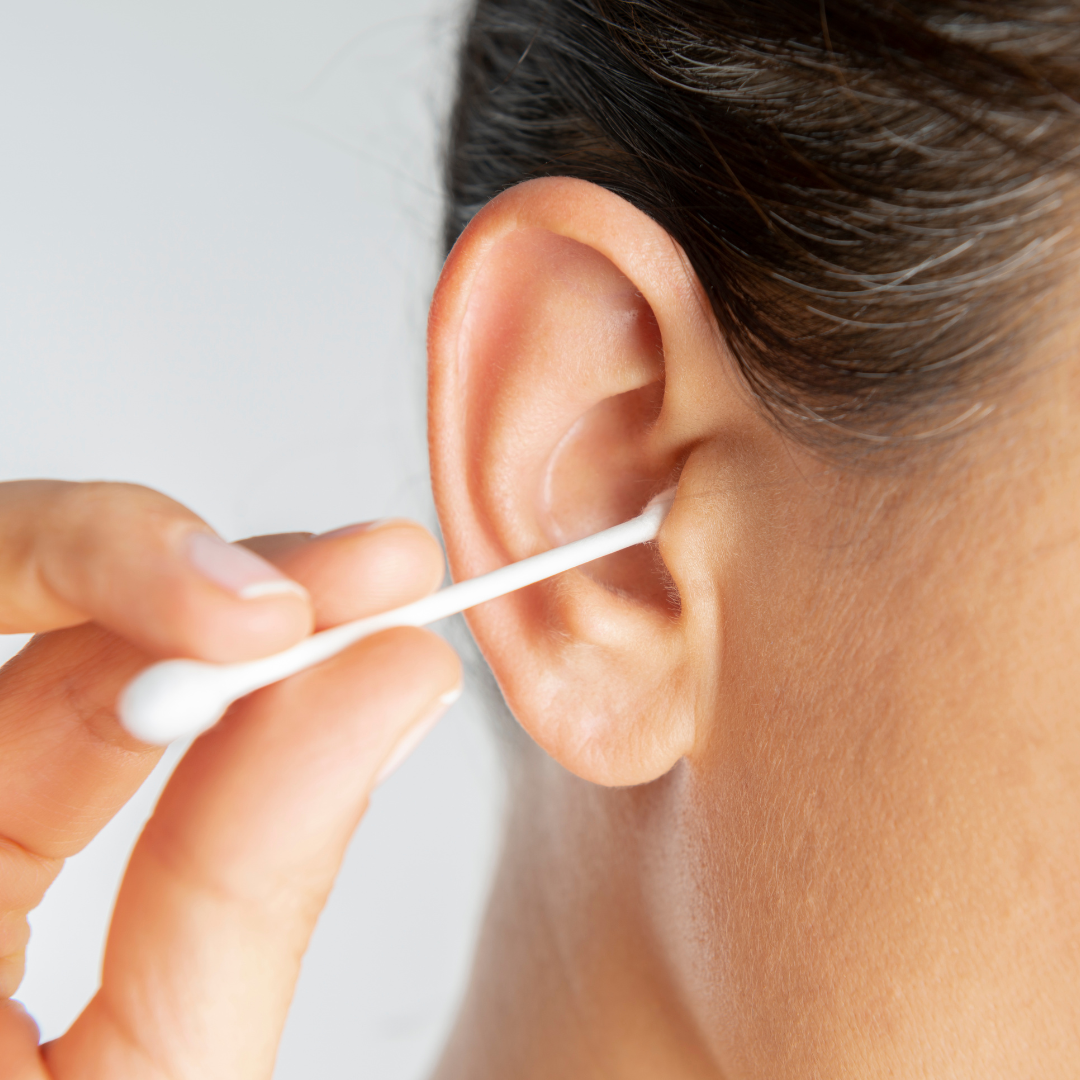
A person holds a cotton swab and gently cleans the outer part of their ear. The background is neutral and the image focuses on the ear and the swab.

Why Q-Tips Harm Your Ears and How to Safely Remove Cerumen

Even though cotton swabs seem practical for routine hygiene, probing the inner canal creates deeper impactions and threatens long-term ear health. We assess whether your earwax demands professional intervention and provide customized care strategies that match your clinical profile. Ears don’t always need manual cleaning; however, if wax builds up, we can help patients safely

A woman sits on a bed with her eyes closed, holding her forehead with one hand, appearing to have a headache or feel unwell.

Feeling Dizzy When You Lie Down? Understanding Benign Paroxysmal Positional Vertigo

Having the room suddenly spin as you lie down, turn in bed, or sit upright is an unsettling experience that often happens without notice. A vestibular team can perform diagnostic balance testing to identify treatable conditions like benign paroxysmal positional vertigo (BPPV). By reviewing diagnostic findings, we educate patients on inner ear dysfunction and recommend